>>
30-MINUTE MEALS! Get the email series now →


Bright, tangy lemon sauce studded with briny capers — a quick finish that elevates fish, chicken, pasta, or vegetables in minutes.

This simple lemon caper sauce is one of those small preparations that changes ordinary weeknight meals into something I want to invite people over for. I first developed this combination on a soggy spring evening when a forgotten piece of halibut and a basket of lemons needed rescuing. The bright citrus cut through the richness of a buttery pan sauce, while the capers added an unexpected salty pop that made everyone at the table reach for another slice of bread. From that night on, I have used this sauce whenever I want to add freshness and a touch of sophistication with minimal effort.
It tastes bright, zippy, and slightly tangy with a delicate salted note from the capers and a silky finish from the butter and olive oil. Texture is part of the appeal: the warm, glossy sauce clings to fish flakes, pools under chicken breasts, and twines through pasta. The aroma is citrus-forward with garlic character in the background, and the whole pan can be ready in under ten minutes. It’s become my go-to finishing sauce for busy evenings and special meals alike because it feels restaurant-level without the fuss.
When I serve this for company, people always comment on the lively contrast between the lemon and capers. My sister asked for the recipe after trying it on grilled shrimp, and my neighbor adopted it as her signature finish for roast chicken. The simplicity is deceptive: a few quality ingredients make a big impression.

My favorite aspect is how the sauce transforms plain food into something memorable with almost no effort. I often make it while the main item rests, using the same pan to capture fond and create a cohesive flavor. Friends have told me this simple finish tastes like something from a neighborhood bistro, and that comparison never gets old.

Keep the sauce in a shallow, airtight container in the refrigerator for up to 3 days. Because it contains butter, it will firm up when chilled; rewarm gently over low heat or in a microwave in short bursts, stirring often. If the sauce separates, whisk in a teaspoon of warm water or broth to re-emulsify. For longer storage, freeze in ice cube trays and transfer frozen cubes to a zip-top bag for up to 3 months—thaw and warm slowly before serving.
If you need this dairy-free, replace the butter with an extra 2 tablespoons of olive oil or a neutral oil like grapeseed. For a vegetarian option that avoids alcohol, use low-sodium vegetable broth instead of white wine. If you like more herb flavor, swap parsley for chopped dill or tarragon at the end; both pair beautifully with lemon and change the sauce’s aroma profile. Use caperberries for a milder, meatier bite if capers feel too intense.
This sauce is classic over pan-seared or baked fish such as cod, halibut, or trout, spooned over the fillets right before serving. It also brightens roasted or grilled chicken breasts and is excellent when tossed with angel hair or spaghetti and a splash of pasta water for a quick lemony pasta. Serve alongside steamed asparagus or blanched green beans for a spring dinner, and finish with a few extra capers and lemon zest for color and contrast.

The lemon and caper pairing has long roots in Mediterranean cooking, where bright citrus and briny preserved items are staples. Capers are a traditional flavoring in Southern Italian and Greek kitchens, often used to balance seafood and rich sauces. The technique of deglazing a pan with wine and finishing with butter is a classic French approach that melds beautifully with Mediterranean ingredients, creating a hybrid of bright and buttery that is widely celebrated across coastal cuisines.
In spring and summer, use the sauce with fresh herbs like basil or chervil and serve with grilled seasonal vegetables. In cooler months, add a teaspoon of Dijon mustard for body and serve over roasted root vegetables or richer fish. For holiday menus, scale the sauce up and spoon it over a platter of roasted birds or whole baked fish to add brightness to heavier flavors.
Prepare the components in advance: mince garlic, zest the lemon, and rinse capers the night before to streamline finishing the sauce. Cook proteins earlier and gently reheat them; spoon the freshly warmed sauce over the reheated items just before serving to retain texture and shine. Portion sauce into small jars for grab-and-go lunches and pair with cold chicken salads or grain bowls for a fresh finish.
This little pan of sauce proves that a handful of quality ingredients and a few minutes of attentive cooking can make an ordinary meal sing. Try it once and you’ll find yourself reaching for lemons and capers more often—there’s a reason it’s a permanent shortcut in my kitchen.
Rinse capers briefly if you prefer less brine; taste before adding extra salt.
Heat butter and oil together so the oil raises the smoke point and prevents the butter from burning.
Use fresh lemon juice and zest for a bright, clean flavor—bottled lemon lacks the aromatic oils.
If the sauce separates after cooling, whisk in a teaspoon of warm broth or water to re-emulsify while reheating gently.
This nourishing simple lemon caper sauce recipe is sure to be a staple in your kitchen. Enjoy every moist, high protein slice — it is perfect for breakfast or as a wholesome snack any time.
Yes. Use low-sodium chicken or vegetable broth instead of wine and cook as directed. The sauce will have a slightly different depth but remain bright and delicious.
Leftover sauce will keep in an airtight container in the refrigerator for up to 3 days. Reheat gently to avoid separation and whisk in a teaspoon of warm water if needed.
This Simple Lemon Caper Sauce recipe makes perfectly juicy, tender, and flavorful steak every time! Serve with potatoes and a side salad for an unforgettable dinner in under 30 minutes.
In a medium skillet over medium heat, combine 2 tablespoons unsalted butter and 2 tablespoons olive oil. Heat until the butter melts and begins to bubble gently, about 1 to 2 minutes. Keep heat moderate to avoid browning.
Add 2 minced garlic cloves and sauté, stirring constantly, until fragrant and translucent but not browned, about 1 to 2 minutes. Reduce heat if garlic begins to color.
Pour in 1/4 cup dry white wine or chicken broth and scrape any browned bits from the pan. Simmer for 2 to 3 minutes until slightly reduced and glossy.
Stir in 2 tablespoons fresh lemon juice, 2 tablespoons rinsed capers, and 1 teaspoon lemon zest. Season with salt and freshly ground black pepper to taste and cook for 1 to 2 minutes to marry flavors.
Remove from heat and stir in 1 tablespoon chopped fresh parsley if desired. Spoon the warm sauce over fish, chicken, pasta, or vegetables and serve immediately.
Last Step: Please leave a rating and comment letting us know how you liked this recipe! This helps our business to thrive and continue providing free, high-quality recipes for you.
Leave a comment & rating below or tag
@feedcooks on social media!

Turn classic crispy treats into creepily realistic Halloween brains—soft, glossy marshmallow centers bound to Rice Krispies, shaped and painted for maximum spooky impact.

A cozy, slow-cooked blend of tender chicken, crushed tomatoes, cream, and Parmesan—this Crock Pot creamy chicken parmesan soup is weeknight comfort made effortless.
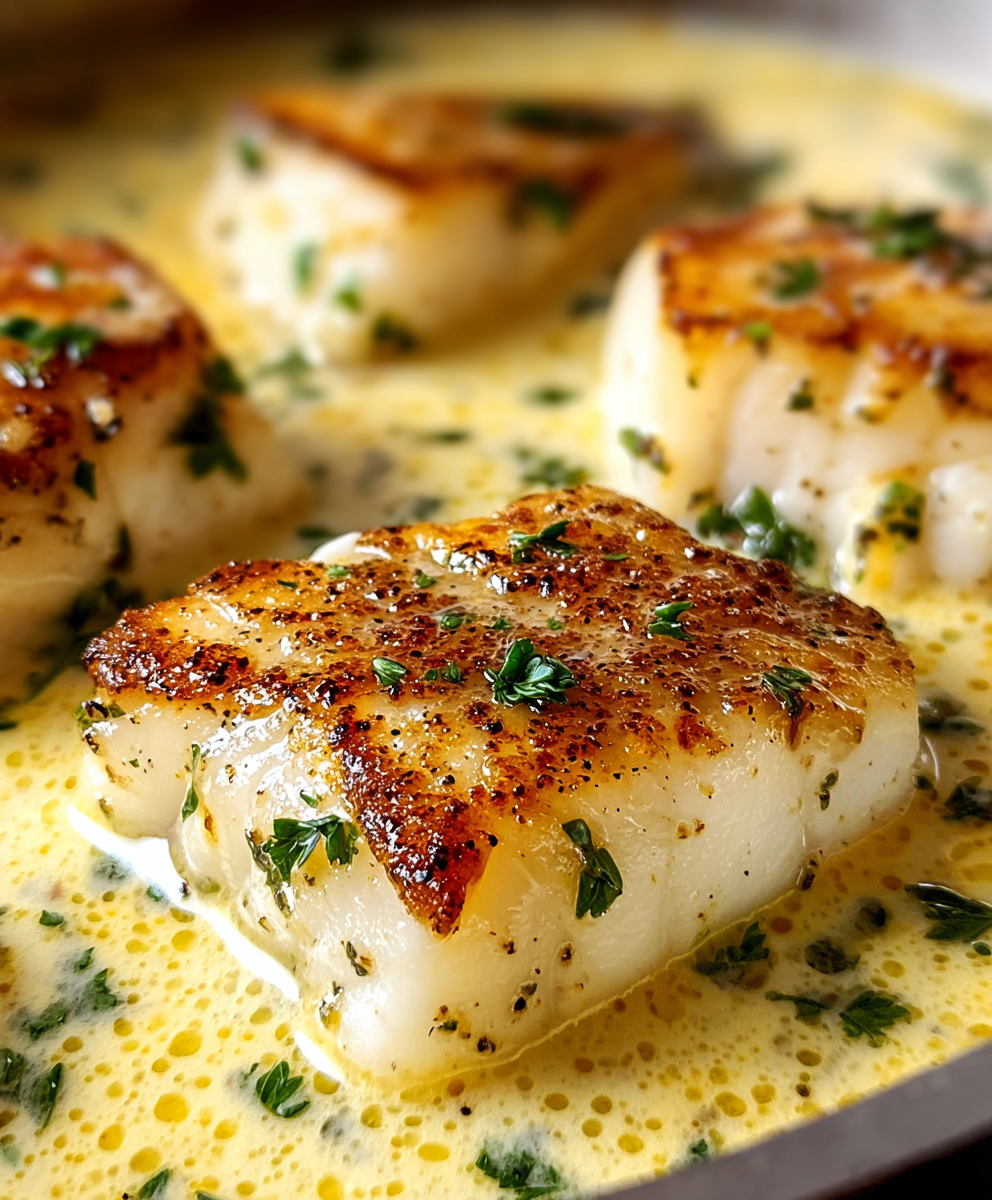
Delicate baked cod fillets finished in a bright, silky coconut-lemon cream—an easy weeknight centerpiece that feels special enough for guests.
Leave a comment & rating below or tag @feedcooks on social media!
Enjoyed this recipe? Share it with friends and family, and don't forget to leave a review!
This recipe looks amazing! Can't wait to try it.
Comments are stored locally in your browser. Server comments are displayed alongside your local comments.

Join to receive our email series which contains a round-up of some of our quick and easy family favorite recipes.