>>
30-MINUTE MEALS! Get the email series now →


Rich, savory beef simmered with Korean flavors and served over chewy noodles—an easy, comforting weeknight favorite that tastes like a slow-cooked bowl of home.
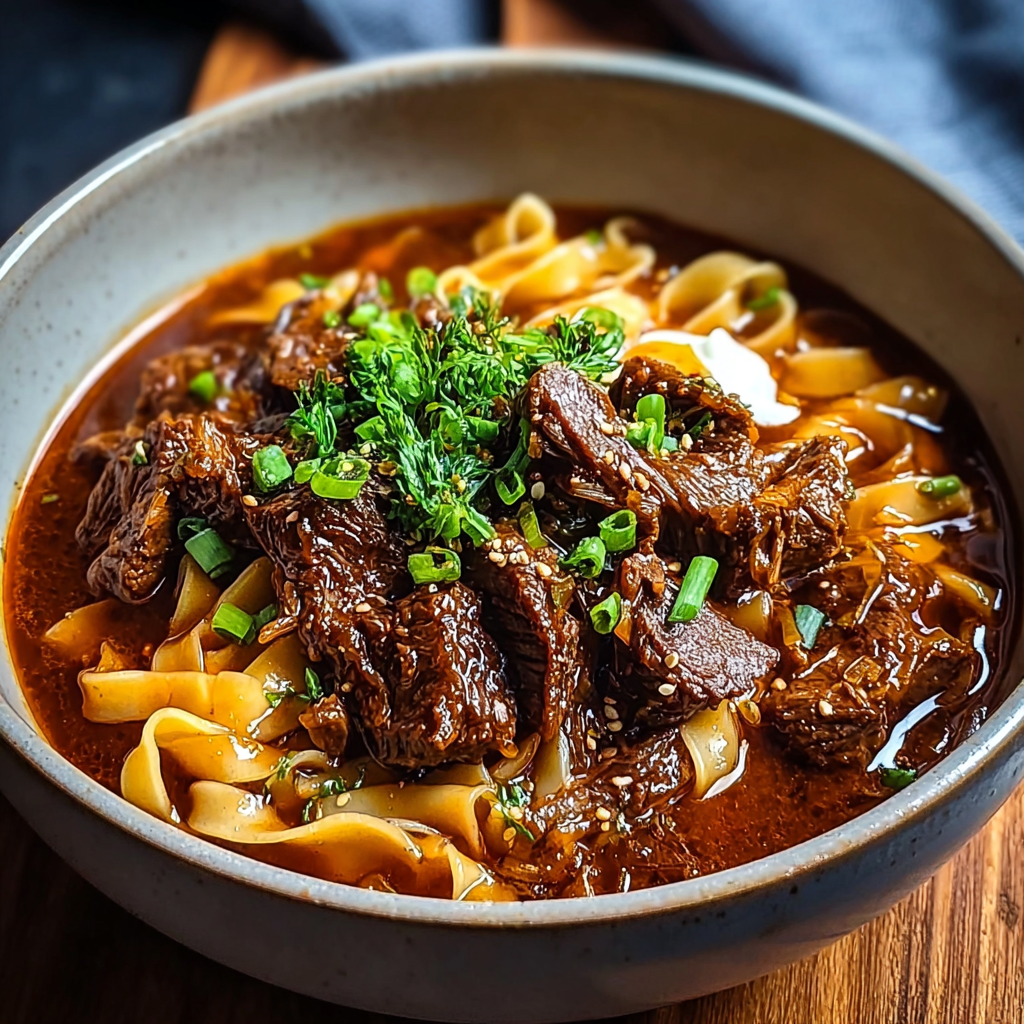
This bowl of Korean beef noodles has been one of my most comforting discoveries on chilly evenings. I first developed this version after finding a large chuck roast on sale and wanting to stretch it into something that felt both familiar and exciting. The deep, savory broth scented with garlic, ginger, and a touch of gochujang became a family favorite the moment it hit the table. The meat is fall-apart tender yet still meaty enough to rip into bite-sized pieces that cling to thick noodles.
What makes this dish special is the balance between rich beef flavor and distinctly Korean seasoning—soy sauce, sesame oil, and the subtle heat of gochujang. It is hearty without being heavy, and the textures are endlessly appealing: tender braised beef against springy udon or ramen, finished with bright green onions and a scattering of sesame seeds. I love that it brings people to the table, and on more than one occasion it has been the centerpiece of casual dinner parties and quiet family nights alike.
When I served this to my in-laws, they kept complimenting the broth and asking for the recipe. I often double the batch, refrigerate the leftovers, and use the shredded beef for quick sandwiches or bibimbap the next day. Every time I taste the mix of soy, sesame, and a hint of brown sugar I remember why simple, well-seasoned food becomes a family favorite.
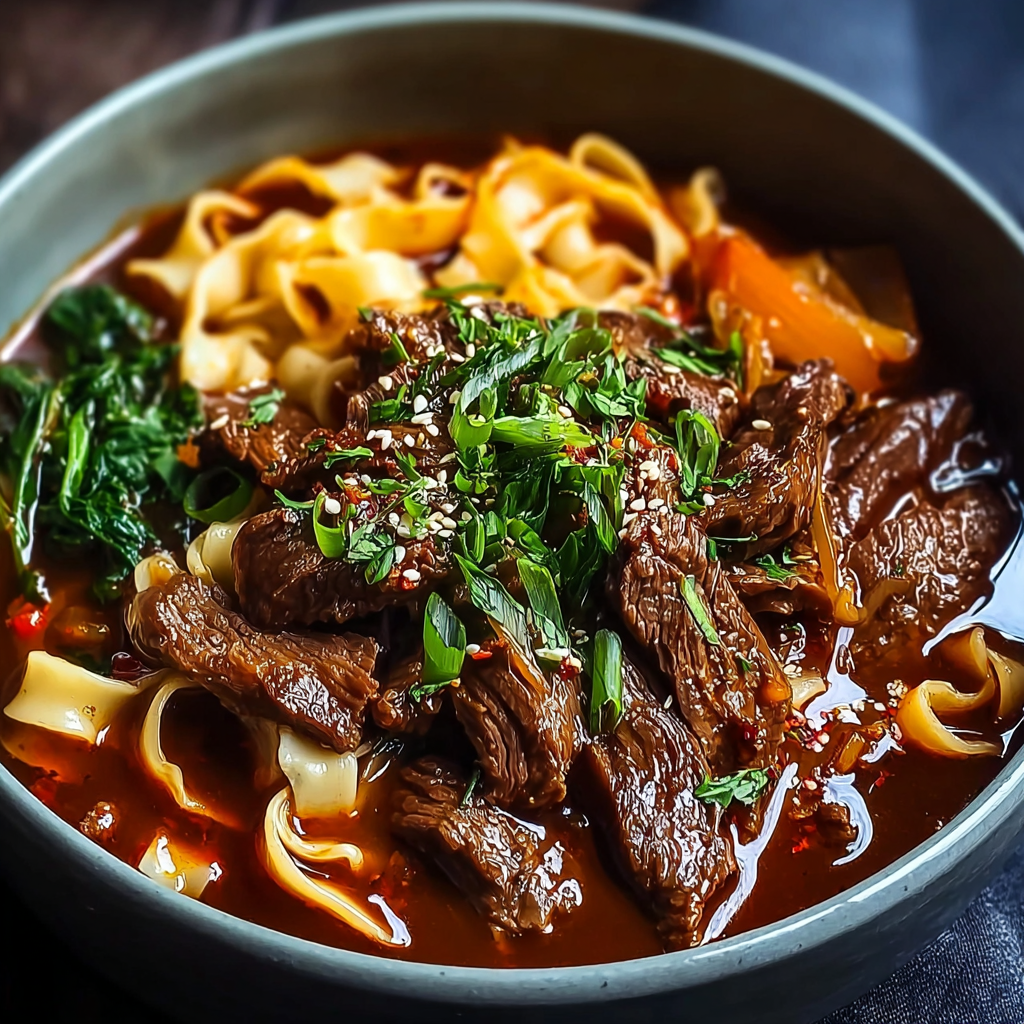
My favorite thing about this bowl is how forgiving it is. I have made it with tougher budget cuts and luxury cuts alike and the technique still delivers great results. Family dinners become relaxed because the bulk of the cooking happens in one pot and the flavors deepen if made a day ahead. I often pair leftovers with a quick sauté of vegetables for lunch that feels completely different from the original bowl.
Store leftovers in separate containers: keep the broth and beef together for flavor, but if you want optimal noodle texture, store cooked noodles separately and combine when reheating. Refrigerate for up to four days. For freezing, portion into meal-sized containers and freeze for up to three months; thaw overnight in the refrigerator and reheat gently on the stovetop. Reheat covered on low heat to avoid breaking down the meat further, and add a splash of water or broth if the sauce has thickened too much.
If you need gluten-free, swap regular soy sauce for tamari and use gluten-free noodles. For a lighter version, use sirloin tips instead of chuck and reduce simmer time, though the deepest flavor comes from slow-braised chuck. Replace brown sugar with honey or maple syrup at a slightly reduced weight for a different sweetness profile. Omit gochujang for no spice and add a teaspoon of smoked paprika for a smoky note. Sesame oil is aromatic; if unavailable, a small drizzle of toasted oil at the end is essential for the classic finish.
Serve bowls with crisp cucumber pickles, quick kimchi, or lightly blanched spinach for contrast. Garnish with sliced green onion, toasted sesame seeds, and a wedge of lime if you like brightness. For a full meal, add a side of steamed rice and a simple scallion pancake. For casual gatherings, set up a toppings bar with chili oil, extra gochujang, chopped chilies, and fresh herbs so guests can customize heat and texture.
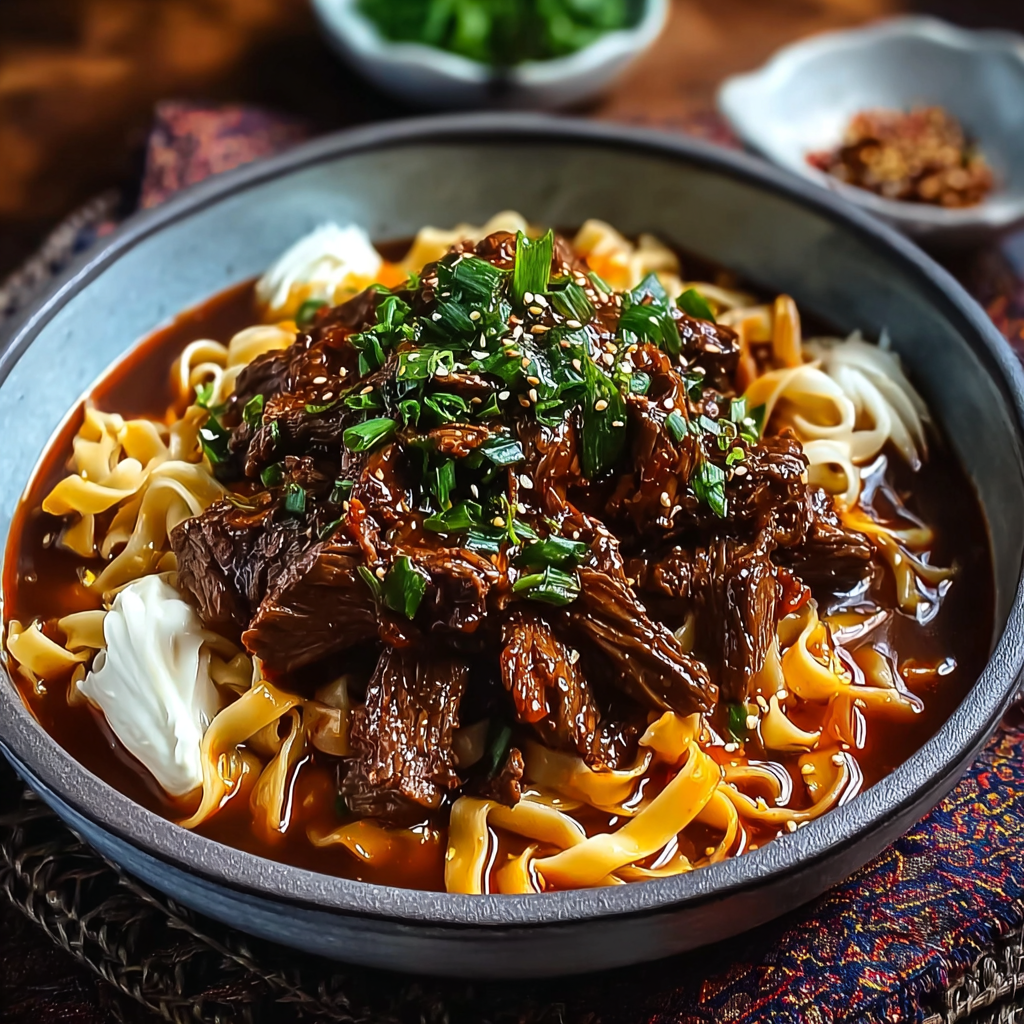
While this bowl is not an exact replica of any single traditional Korean dish, it borrows classic Korean flavors such as soy, sesame, and gochujang and reinterprets them in a braised-beef context. Korean cuisine features a balance of sweet, salty, and spicy elements, and braised meats are common in home cooking. This recipe nods to those traditions while adapting to pantry availability and Western ingredient portions, creating a bridge between familiar noodle bowls and Korean flavor profiles.
In winter, serve with hearty root vegetables braised alongside the beef for added body and comfort. In spring and summer, lighten the bowl with extra herbs, thinly sliced cucumbers, or a bright citrusy vinaigrette drizzled on quick-pickled vegetables served alongside. For autumn, incorporate roasted mushrooms or a splash of toasted sesame for an earthier finish. The technique remains the same; adjust vegetables and finishing touches to reflect the season.
Make a double batch of the braised beef and freeze half in meal-sized portions for busy weeks. Cook noodles fresh on the day you serve for best texture, but you can par-cook noodles and shock them in ice water, then toss lightly with oil to prevent sticking; reheat briefly in boiling water. Label containers with date and contents, and store garnishes separately for freshness. This approach gives you fast, restaurant-quality bowls on weeknights.
There is a special satisfaction in sharing bowls of warm broth and tender beef with family and friends. This recipe is flexible, forgiving, and full of comforting flavor—try making it for your next gathering and watch how quickly the bowls empty.
Sear the beef in batches to develop deep browning; crowding the pan causes steaming instead of searing.
Use low-sodium broth and adjust salt at the end to prevent over-salting during reduction.
Let the braise rest overnight in the refrigerator for richer flavor before serving.
Skim excess fat while cooking for a cleaner broth and better presentation.
This nourishing korean beef noodles recipe is sure to be a staple in your kitchen. Enjoy every moist, high protein slice — it is perfect for breakfast or as a wholesome snack any time.
Yes. Cook the noodles separately and store them drained with a light coating of oil. Reheat briefly in boiling water before serving to refresh their texture.
For best texture, reheat gently on the stovetop and add a splash of water or broth if the sauce has become too thick after refrigeration.
This Korean Beef Noodles recipe makes perfectly juicy, tender, and flavorful steak every time! Serve with potatoes and a side salad for an unforgettable dinner in under 30 minutes.
Pat beef pieces dry and season lightly. Heat oil in a large pot over medium-high heat and sear beef in batches until deeply browned on all sides, about 3 to 4 minutes per side. Do not overcrowd the pan to ensure proper browning.
Reduce heat to medium and sauté minced ginger and garlic until fragrant, about 60 seconds. Stir in gochujang to bloom its flavor, being careful not to let the garlic brown.
Add soy sauce and brown sugar, stirring to dissolve. Pour in beef broth and water, scraping up browned bits from the bottom of the pot. Return the seared beef to the pot and bring to a gentle simmer.
Cover partially and simmer on low for 90 to 120 minutes until beef is fork-tender, skimming excess fat occasionally. Alternatively, braise covered in a 325°F oven for 1.5 to 2 hours.
Remove lid, increase heat to reduce the broth slightly if desired, then stir in sesame oil and black pepper. Shred or cut beef to preferred size and taste for final seasoning adjustments.
Cook noodles according to package directions, drain, and divide into bowls. Ladle beef and broth over noodles and garnish with green onions, sesame seeds, and cilantro.
Last Step: Please leave a rating and comment letting us know how you liked this recipe! This helps our business to thrive and continue providing free, high-quality recipes for you.
Leave a comment & rating below or tag
@feedcooks on social media!
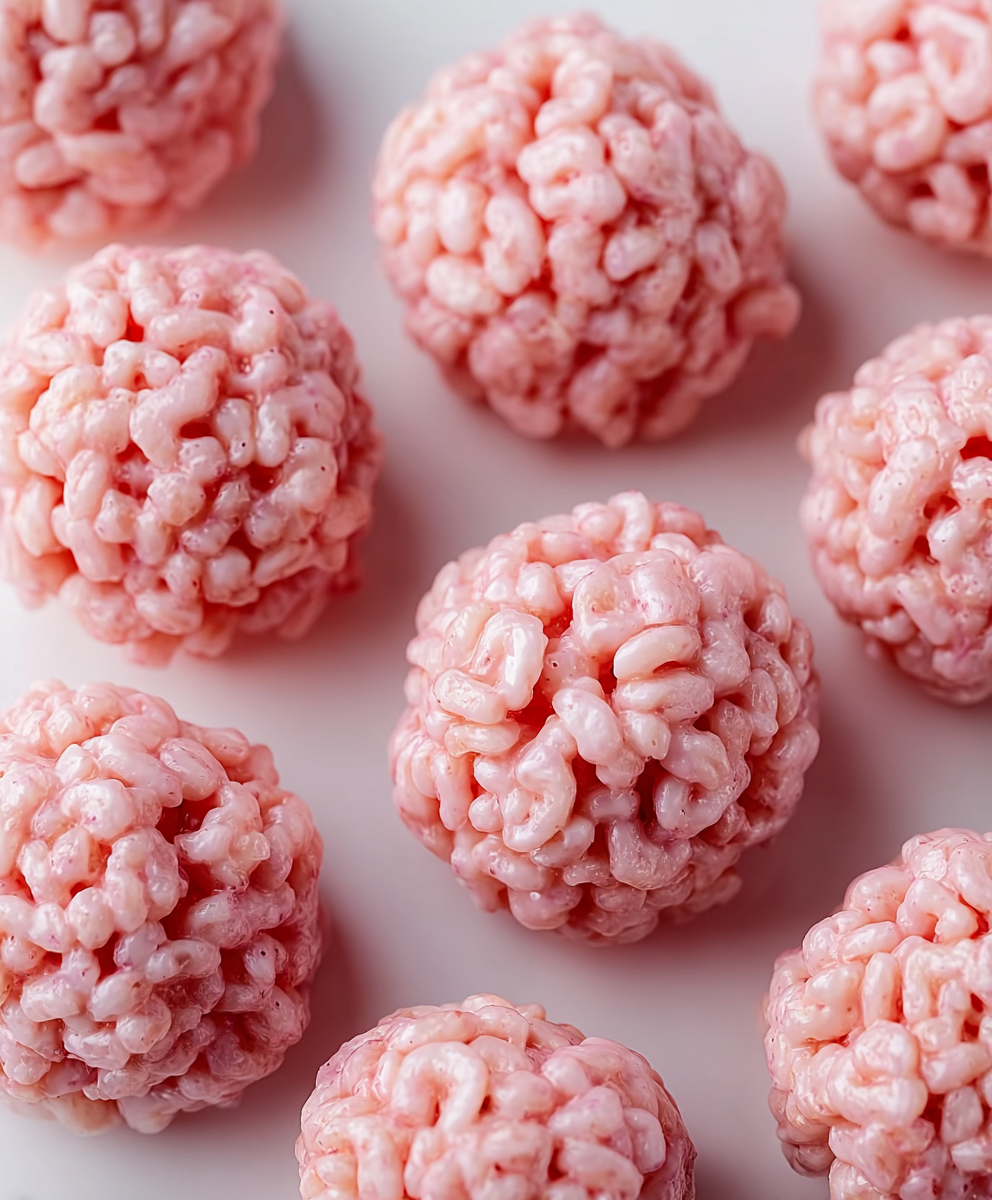
Turn classic crispy treats into creepily realistic Halloween brains—soft, glossy marshmallow centers bound to Rice Krispies, shaped and painted for maximum spooky impact.
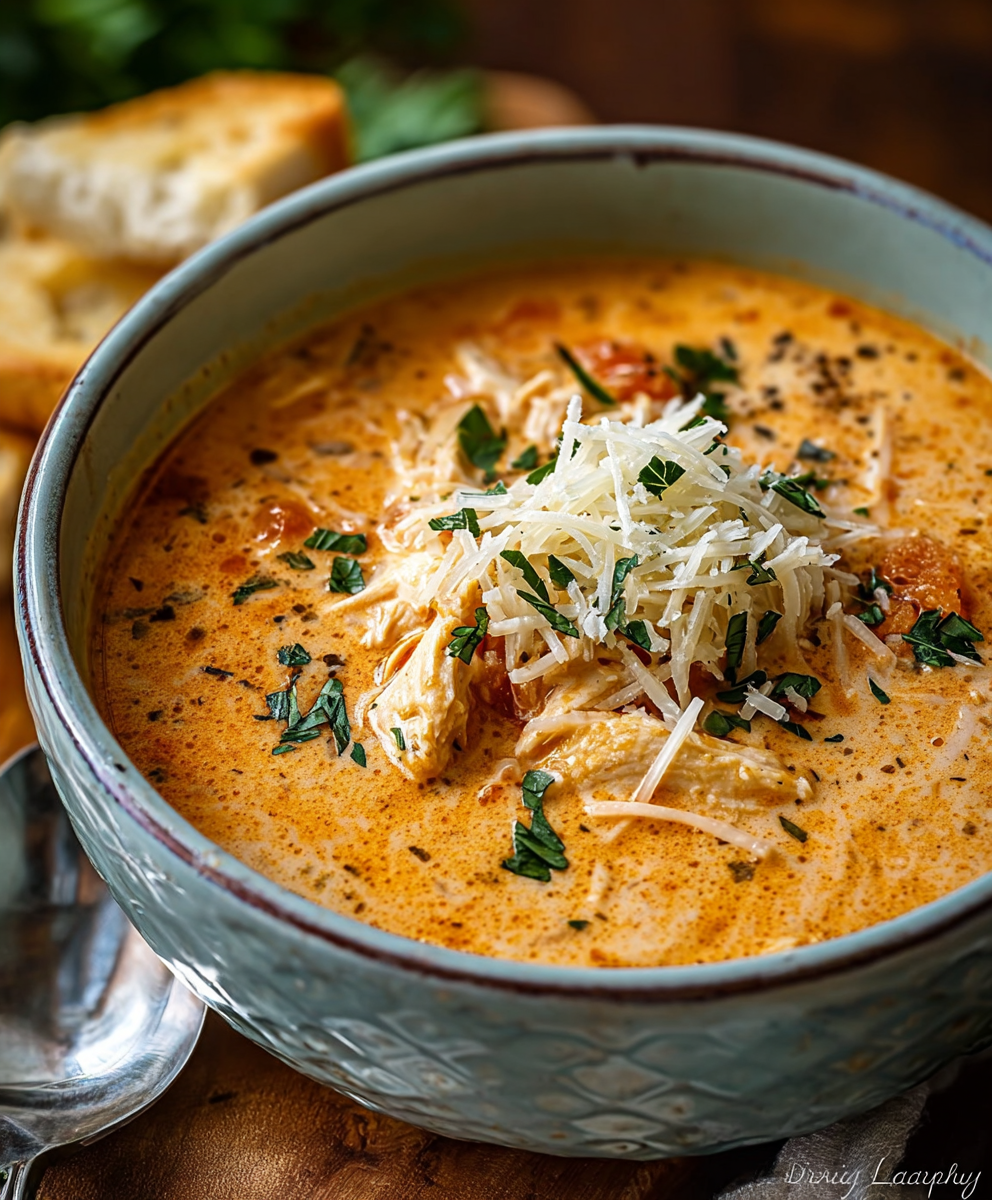
A cozy, slow-cooked blend of tender chicken, crushed tomatoes, cream, and Parmesan—this Crock Pot creamy chicken parmesan soup is weeknight comfort made effortless.
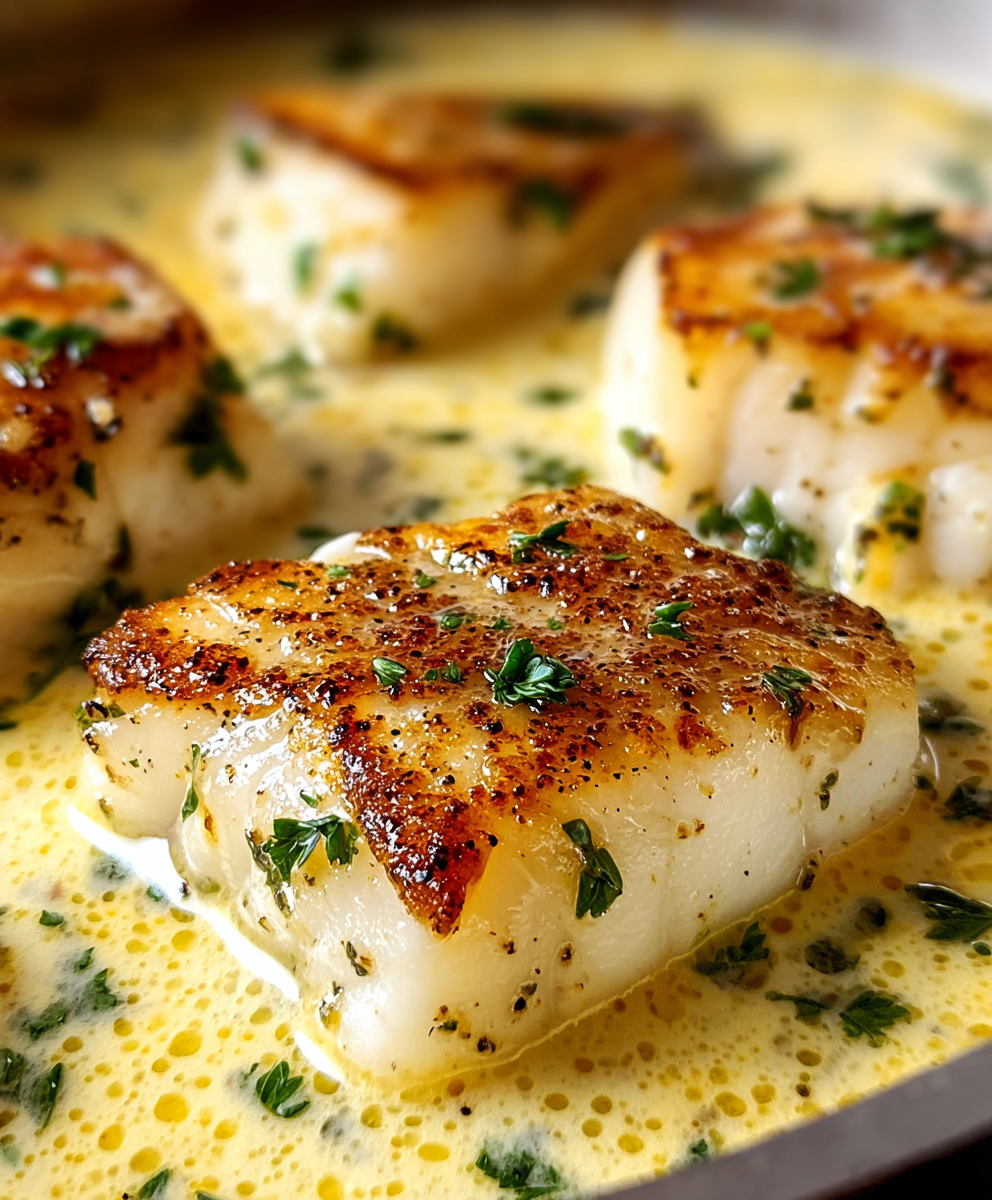
Delicate baked cod fillets finished in a bright, silky coconut-lemon cream—an easy weeknight centerpiece that feels special enough for guests.
Leave a comment & rating below or tag @feedcooks on social media!
Enjoyed this recipe? Share it with friends and family, and don't forget to leave a review!
This recipe looks amazing! Can't wait to try it.
Comments are stored locally in your browser. Server comments are displayed alongside your local comments.

Join to receive our email series which contains a round-up of some of our quick and easy family favorite recipes.