>>
30-MINUTE MEALS! Get the email series now →


Savory stir-fried rice tossed with sliced beef or chicken and a sweet-savory Japanese BBQ glaze—fast, satisfying, and perfect for weeknight dinners.
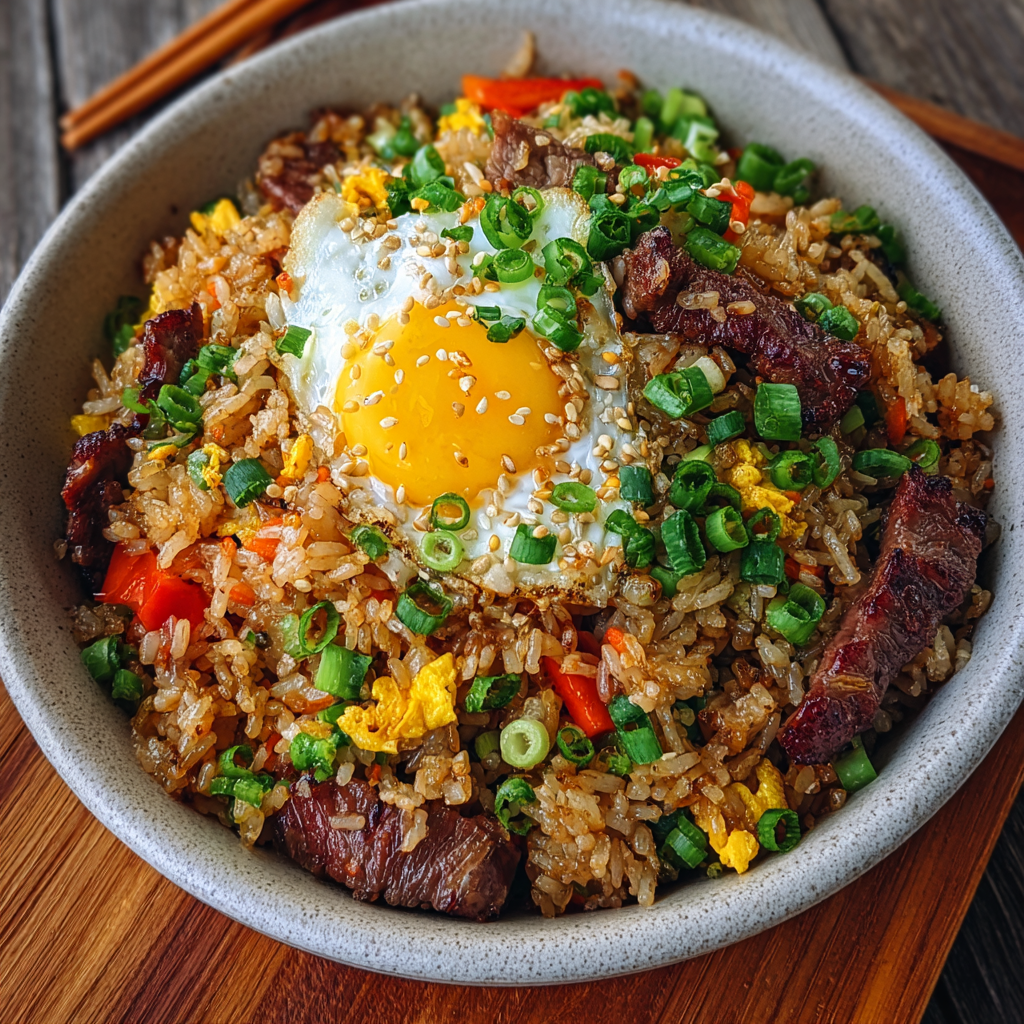
This Japanese BBQ Fried Rice started as a weeknight rescue for my busiest evenings and quickly became the household favorite that everyone asks for. I first combined Japanese-style barbecue sauce with leftover rice on a rainy Thursday when the market was closed and the fridge held odds and ends: a small package of sliced beef, a handful of mixed vegetables, and two eggs. The result was unexpectedly moreish—glossy, slightly sweet sauce coating smoky rice, tender ribbons of meat, and crisp scallion bites. That first batch led to a ritual: keep a jar of Japanese BBQ sauce on the shelf and cold, day-old rice in the fridge, and a dinner that feels special is always fifteen minutes away.
What makes this dish special is the balance of textures and flavors. The caramelized barbecue glaze gives depth and a gentle sweetness; soy sauce brightens and salts; eggs add silkiness while the vegetables retain a faint crunch. Every time I cook it, the kitchen fills with aromas that remind me of outdoor grills and small izakaya evenings, even though the pan sits on my home stove. It’s a simple, flexible plate that welcomes improvisation yet rewards precise technique—hot pan, quick toss, and the little steam that lifts the rice grains apart for the ideal bite.
I’ve tested this throughout seasons and family gatherings; it’s the dish I bring when friends drop by unexpectedly because it’s quick, forgiving, and feels like a treat. My partner’s favorite moment is when the sesame seeds are toasted and scattered just before serving—those nutty pops finish the plate. Kids tend to go for the saucy rice first, while adults pause to savor the charred bits on the meat and rice.
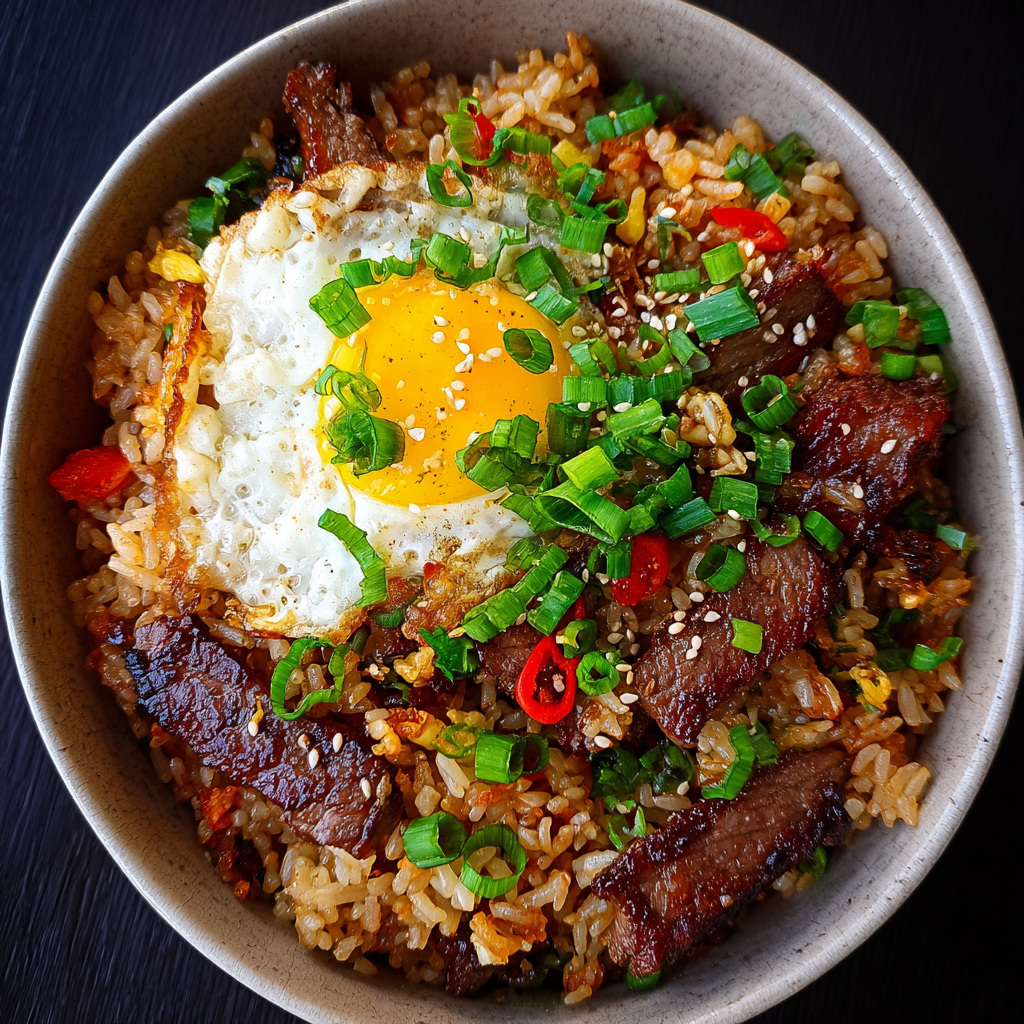
My favorite aspect of this plate is the contrast between soft eggs and crisp charred rice bits; it’s surprising how much texture shapes satisfaction. Friends often comment that the barbecue glaze makes the rice feel like a celebration—simple ingredients, elevated by technique. I remember serving this after a small neighborhood potluck; everyone went back for seconds because the flavors felt familiar yet just different enough to be exciting.
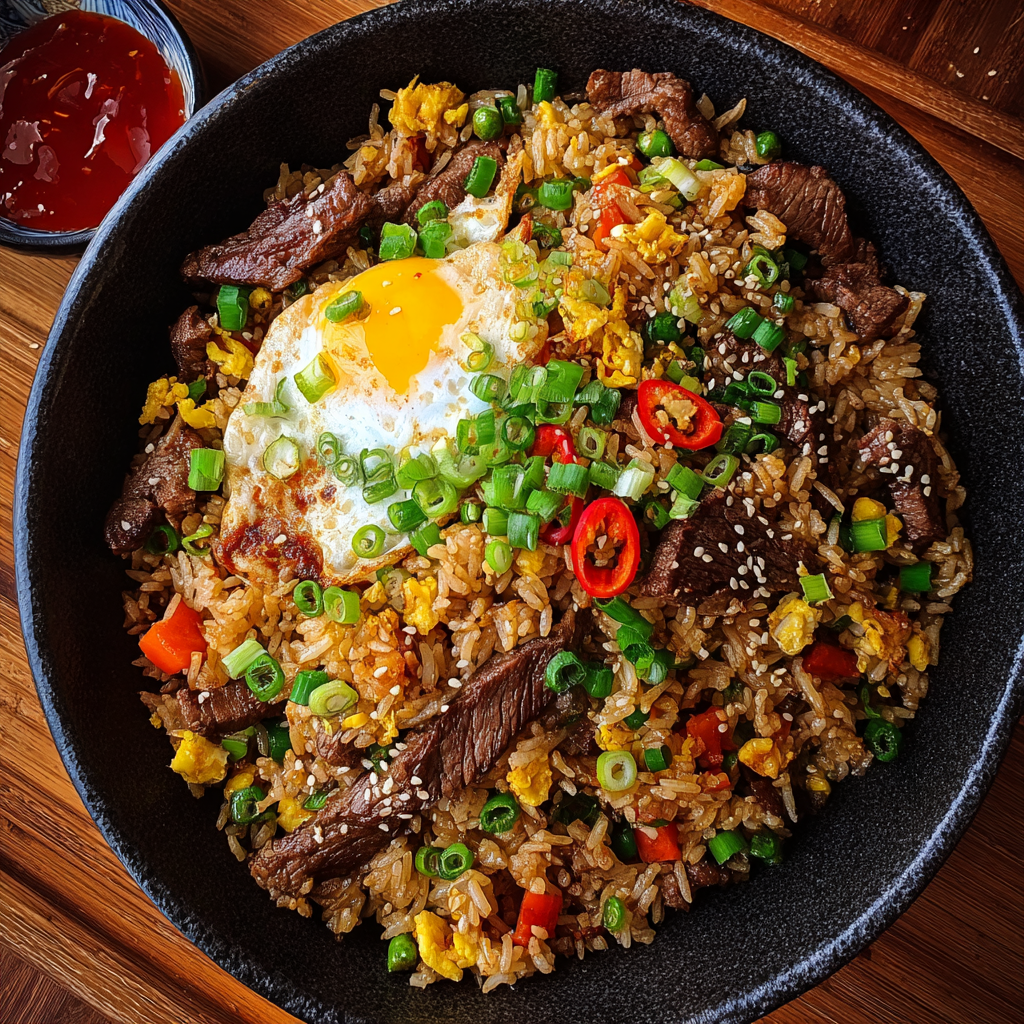
Store leftovers in an airtight container in the refrigerator for up to 4 days. To freeze, cool quickly and pack into single-serving freezer-safe containers, removing as much air as possible—frozen portions keep for about 2 months. Reheat on the stovetop in a hot skillet with a splash of water or oil to restore moisture and texture; microwave reheating is acceptable but cover and stir halfway through to avoid dry edges. For best results, add a fresh scatter of scallions and toasted sesame seeds after reheating to refresh aroma and crunch.
If you don’t have Japanese BBQ sauce, mix 1 tablespoon hoisin with 1 tablespoon soy sauce and a pinch of sugar for a similar sweet-savory profile. Swap chicken for beef or use firm tofu for a vegetarian option—press tofu well and pan-sear until golden. Replace soy sauce with tamari to make it gluten-free, and use coconut aminos if avoiding soy entirely (taste will be milder). For lower sodium, reduce soy sauce to 1/2 tablespoon and increase the BBQ sauce slightly for flavor balance.
Serve this as a main course with simple sides—Japanese cucumber salad, pickled ginger, or a quick miso soup complement the flavors without overpowering them. Garnish with sliced nori, a drizzle of chili oil for heat, or crushed toasted peanuts for crunch if serving a crowd. For a family-style meal, place a bowl of extra scallions, sesame seeds, and lime wedges on the table so guests can customize their bowls.
This dish is a playful intersection between classic fried rice techniques and Japanese yakiniku-style flavors. While fried rice is traditionally associated with Chinese home kitchens, Japan has long adapted stir-fry practices to local tastes—adding ingredients like tsukudani, soy-glazed proteins, or yakiniku sauces. The barbecue sauce used here echoes the sweet-savory marinades of Japanese grilling culture, bringing the spirit of an outdoor grill into a quick stovetop meal.
In spring, fold in blanched asparagus tips and peas for brightness; summer welcomes charred corn and bell peppers; autumn benefits from cubed roasted sweet potato and shiitake mushrooms; winter is perfect for hearty greens and root vegetables. Swap proteins to match the season—grilled shrimp in summer, braised pork in winter—and adjust sauce intensity by reducing sweetness for light spring plates or deepening umami for colder months.
Cook a large batch of rice and cool it on a tray to refrigerate; portion into 2-cup containers so dinners are ready quickly. Pre-slice proteins and store them in separate airtight containers; chop scallions and vegetables into labeled bags to save time. When ready to cook, heat your pan and have sauces measured out—stir-frying is fast, and mise en place keeps the process calm and efficient. This approach gives you multiple ready-to-cook components and a fifteen-minute assembly window.
Ultimately, this Japanese BBQ Fried Rice is about joyful simplicity: familiar ingredients transformed through heat and timing. It’s adaptable, fast, and full of flavor—an every-night dish that still feels a little bit special. Try it once, then make it your own.
Use day-old chilled rice to prevent clumping and get those prized toasted grains.
High heat and a roomy pan help the rice fry rather than steam—work in batches if needed.
Toast sesame seeds in a dry pan until fragrant to maximize aroma and flavor.
Don’t overcook the eggs; fold them in while slightly soft to keep silkiness.
This nourishing japanese bbq fried rice recipe is sure to be a staple in your kitchen. Enjoy every moist, high protein slice — it is perfect for breakfast or as a wholesome snack any time.
Yes — day-old chilled rice produces the best texture. Freshly cooked rice can be used if spread on a tray and cooled to remove surface moisture.
Use tamari or gluten-free BBQ sauce. Coconut aminos can replace soy for a soy-free version, though this alters the final flavor.
This Japanese BBQ Fried Rice recipe makes perfectly juicy, tender, and flavorful steak every time! Serve with potatoes and a side salad for an unforgettable dinner in under 30 minutes.
Have all ingredients measured, chopped, and the rice separated before you heat the pan. Day-old chilled rice breaks apart easily—if using freshly cooked rice, spread it out to cool and dry slightly.
Heat a wok or heavy skillet over high heat, add 1 tablespoon vegetable oil, and sear the thinly sliced meat in a single layer for 2–3 minutes until browned. Remove and set aside.
Sauté minced garlic and the white parts of the scallions for 20–30 seconds, then add mixed vegetables and cook 1–2 minutes until tender-crisp.
Add chilled rice, press and let it toast in the hot pan in intervals to create crisp bits. Return the meat to the pan and toss to combine.
Pour 2 tablespoons Japanese BBQ sauce and 1 tablespoon soy sauce over rice. Push rice to one side, scramble beaten eggs in the cleared space until just set, then fold into the rice. Stir in scallions and finish with sesame seeds.
Last Step: Please leave a rating and comment letting us know how you liked this recipe! This helps our business to thrive and continue providing free, high-quality recipes for you.
Leave a comment & rating below or tag
@feedcooks on social media!

Turn classic crispy treats into creepily realistic Halloween brains—soft, glossy marshmallow centers bound to Rice Krispies, shaped and painted for maximum spooky impact.
A cozy, slow-cooked blend of tender chicken, crushed tomatoes, cream, and Parmesan—this Crock Pot creamy chicken parmesan soup is weeknight comfort made effortless.
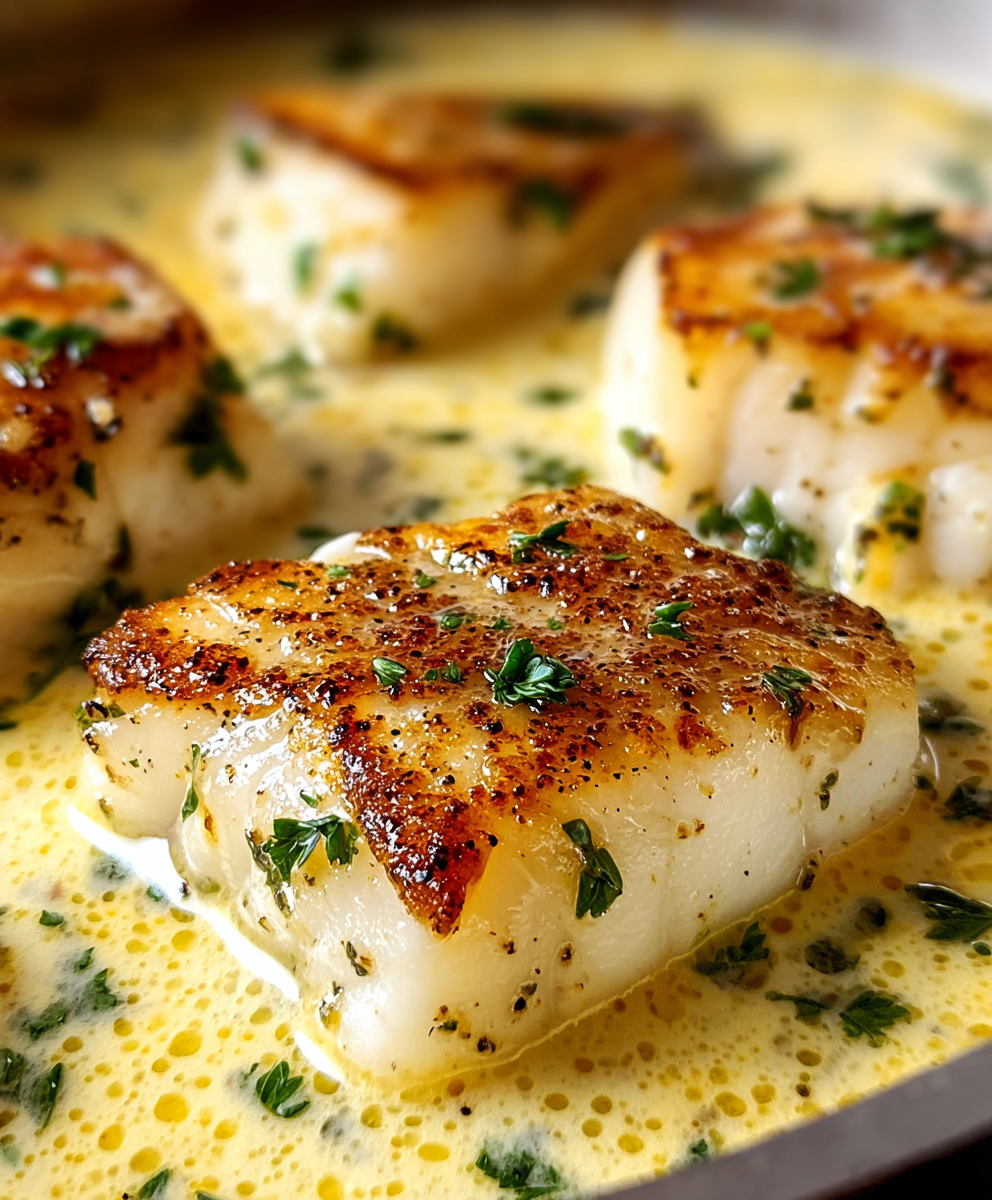
Delicate baked cod fillets finished in a bright, silky coconut-lemon cream—an easy weeknight centerpiece that feels special enough for guests.
Leave a comment & rating below or tag @feedcooks on social media!
Enjoyed this recipe? Share it with friends and family, and don't forget to leave a review!
This recipe looks amazing! Can't wait to try it.
Comments are stored locally in your browser. Server comments are displayed alongside your local comments.

Join to receive our email series which contains a round-up of some of our quick and easy family favorite recipes.